Canebrake
Canebrake tells the stories of life systems in the American South, tracing the patterns and movements of people, the land, and other living things. It's a place where those working with these systems can collaborate, cross-pollinate, and share their visions.
I've spent last 15 years teaching and promoting foraging in the South. This has helped me cultivate connections between people, plants, and the other life that make this such a dynamic, interesting place to live. While telling the stories of people and ecologies in this region, I hope to also strengthen and grow new relationships and help myself figure out what teaching foraging, or working with life systems in any way, means in this age of accelerated social and ecological change.
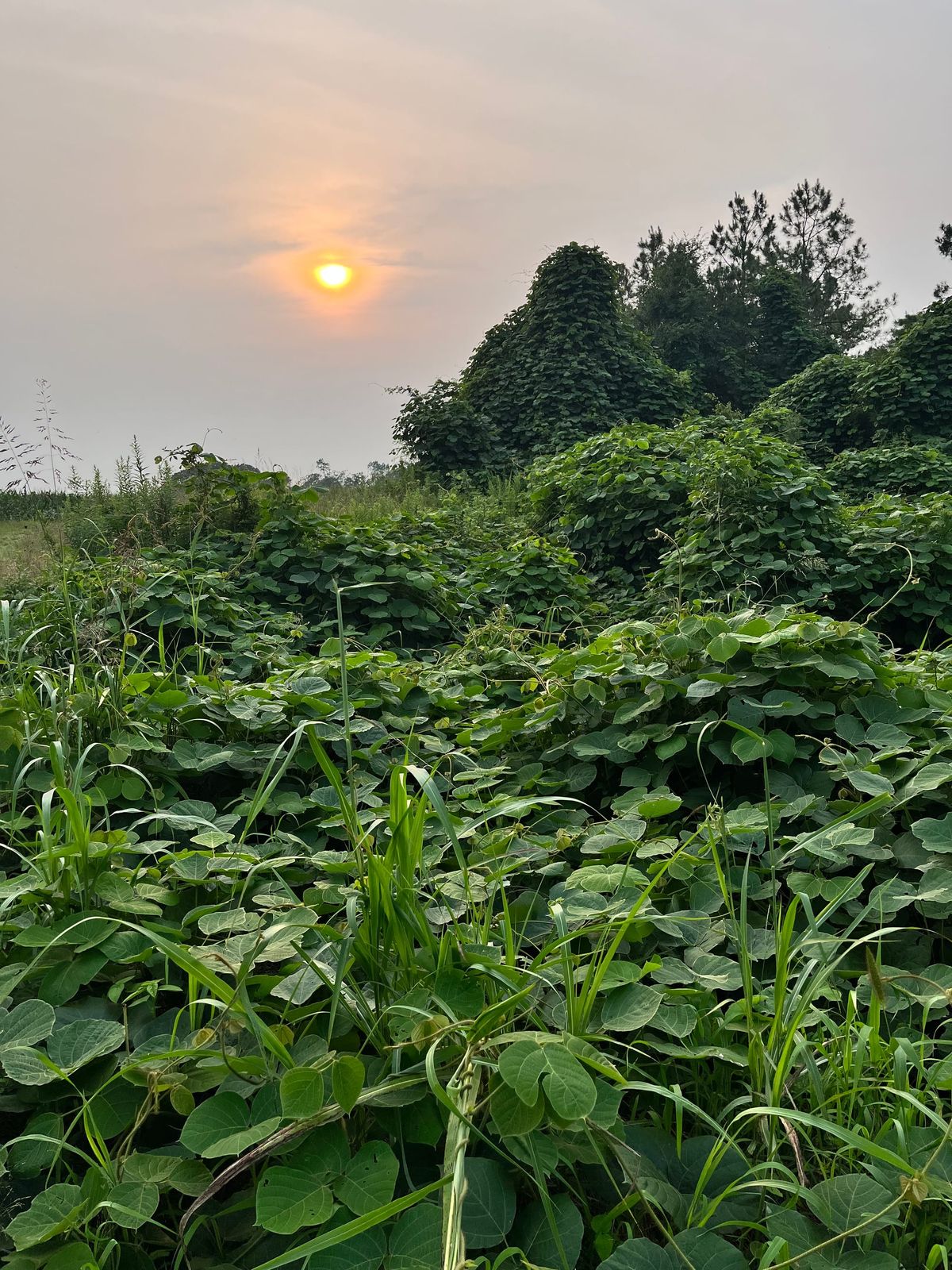
The project takes its name from an ecosystem shaped by rivercane (Arundinaria gigantea), a native bamboo-like grass of the American South with exceptional ecological and cultural value. These ecosystems were once regionally abundant but have become rarer due to the ecological disruption and changing land practices accompanying colonialism.
Canebrake is seeking submissions.
Canebrake is collecting writing, oral histories, and visual work about relationships to land, lifeforms, care, and survival in the South. It is especially interested in ethnobiological knowledge, ethnomedicine, and stories of resistance and healing.
Submissions can include personal stories, memories, interviews, field notes, photographs, or short reflections. You do not need formal writing or ethnographic experience.
Submissions may be anonymous. All contributors retain the right to request removal of their work.
To submit, use the link below or email (please send all files/visual work through email): mylesray0@gmail.com